
Studying abroad remains one of the most sought‑after goals for Pakistani students pursuing higher education and global career opportunities in 2026. With changing visa policies, scholarship trends, and expanding international options, having up‑to‑date data is crucial for planning your study abroad journey.
In this blog, we break down the latest statistics, major destination countries, enrollment trends, scholarships, and insights you need before applying abroad — especially if you’re a Pakistani student preparing for the 2026 academic cycle.
1. How Many Pakistani Students Study Abroad in 2026?
According to recent estimates, approximately 115,000 Pakistani students are currently studying abroad across various levels of higher education — from undergraduate degrees to postgraduate programs.
While this number may seem smaller compared to major sender countries like India or China, it still represents a significant proportion of Pakistan’s human capital seeking quality education and global exposure.
Historical data from international surveys also shows that tens of thousands of Pakistani students have enrolled overseas in recent years — reflecting steady growth in international student mobility from Pakistan.
2. Top Destination Countries for Pakistani Students (2026)
Pakistani students choose destinations based on quality of education, post‑study work opportunities, scholarships, and cultural adaptability. Here are the most popular study abroad destinations in 2026:
🇬🇧 United Kingdom
The UK remains a top destination due to its globally recognized universities and one‑year master’s programs. UK degrees also offer a two‑year post‑study work route for most graduates.
🇨🇦 Canada
Canada is particularly attractive for its student‑friendly visa policies, affordable education, part‑time work options during study, and clear pathways to permanent residency.
🇦🇺 Australia
High academic standards, research opportunities, and strong employability outcomes make Australia a popular choice for Pakistani students.
🇩🇪 Germany
Germany stands out for its low or no tuition fees at many public universities, excellent engineering and technical programs, and the ability to stay in the country after graduation with a job‑seeker visa.
🇹🇷 Turkey
Turkey is gaining popularity due to affordable costs, cultural comfort, and generous scholarship programs such as Türkiye Burslari.
🇺🇸 United States
The US continues to be a leader for research, advanced programs, and STEM education — with Optional Practical Training (OPT) allowing students to work after graduation.
3. Estimated Student Numbers by Country (Trend Overview)
Although exact up‑to‑the‑minute official totals for 2026 aren’t published globally, rough estimates from recent educational reports show broad distribution:
| Destination | Approx. Number (Est.) |
| China | 30,000–40,000 |
| United Kingdom | 15,000–20,000 |
| Australia | 10,000–15,000 |
| Germany | 5,000–10,000 |
| United States | 5,000–10,000 |
| Other countries | 20,000–30,000 |
| (This breakdown reflects broad estimates from multi‑source trend analysis.) |
This range suggests that China and the UK are among the most popular destinations for Pakistani students — with other European, North American, and Oceania destinations attracting growing interest.
4. Why Pakistani Students Choose to Study Abroad
Pakistani students pursue international education for several core reasons:
1. Access to High‑Quality Education
International universities often offer advanced research facilities, global accreditation, and competitive academic environments.
2. Better Career Prospects
Degrees from top global institutions can provide a competitive edge in both international and domestic job markets.
3. Post‑Study Work Rights
Countries like Canada, the UK, and Australia offer structured post‑study work options that make staying abroad for work feasible.
4. Cultural Exposure & Personal Growth
Living abroad enhances intercultural skills, independence, language proficiency, and global networks.
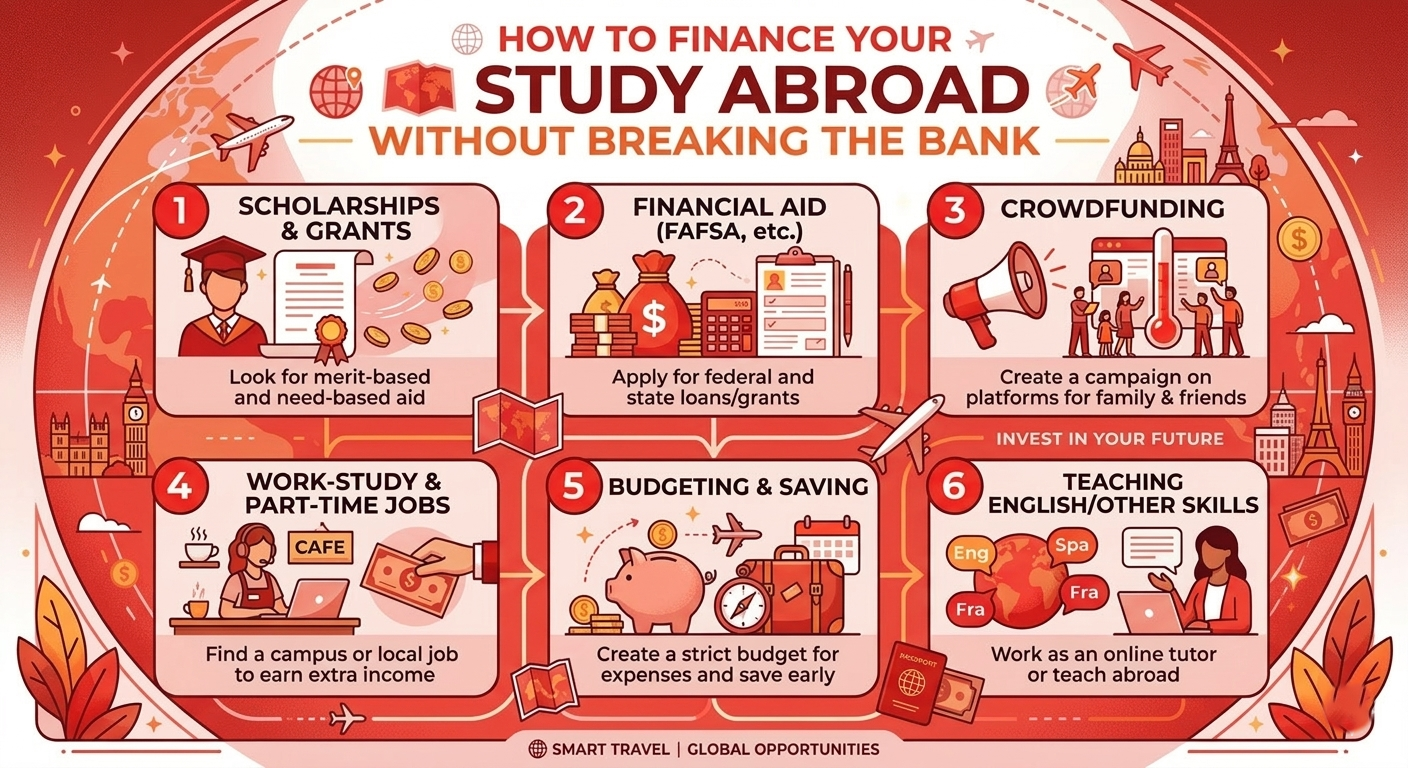
5. Scholarships and Funding Trends (2026)
Funding remains one of the biggest factors influencing study abroad decisions. In 2026:
- Fully funded scholarships are widely available in major destinations like the UK, Canada, and Germany, including prestigious options like Chevening and DAAD.
- Many governments and institutions worldwide have expanded scholarship quotas for Pakistani students — increasing access in Europe and Asia.
These scholarship opportunities help bridge financial gaps and make international study more accessible even for students from middle‑class backgrounds.
6. Financial Realities: Cost of Studying Abroad (2026)
Studying abroad isn’t just about acceptance — it’s also about affordability. Key cost factors include:
- Pre‑departure costs such as test fees (IELTS/PTE) and document attestation
- Bank statement and proof of funds requirements
- Tuition and living expenses (varying by country)
For example:
- Germany may have low tuition but still requires proof of funds for living costs.
- Canada and Australia often require several million Pakistani Rupees in bank balance evidence for visa approval.
Understanding these costs early can help students make better decisions and avoid financial stress later.
7. Growth Trends and Future Projections
Pakistani student mobility has increased steadily over the past decade. Analysts estimate that overseas student numbers could continue rising as:
- More countries open post‑study work pathways
- Universities offer more English‑taught programs
- Scholarships continue to expand
- Visa processing becomes more streamlined
While total outbound Pakistani students still lag behind larger sender countries like India or China, the growth trend is clear — especially for postgraduate and professional training programs.
8. Challenges Facing Pakistani Students Abroad
Even with opportunities, Pakistani students face some challenges:
1. Financial Barriers
High costs and fluctuating exchange rates can make studying abroad expensive.
2. Visa Complexities
Stringent visa requirements and documentation timelines can delay admissions.
3. Domestic Academic Gaps
Limited advanced research and postgraduate capacity at home often pushes students to look abroad.
Understanding these challenges helps aspirants plan better and secure financial and academic support before departure.
9. What This Means for You in 2026
If you’re a Pakistani student planning to study abroad:
1. Assess top destination statistics and opportunities
2. Identify scholarships early (start 6–9 months before deadlines)
3. Understand visa and financial requirements
4. Shortlist destinations based on career goals and budget
Reliable data should always inform your decisions — and Cardiff Study Consultants is here to help you navigate every step of the process with clarity and confidence.
Conclusion
In 2026, Pakistani student mobility abroad continues its upward trajectory, with tens of thousands exploring global education options across Europe, North America, and Oceania. While strong demand exists for destination countries like the UK, China, Canada, and Germany, financial planning, scholarship opportunities, and proper guidance remain key to successful international education journeys.
Whether you are just starting your research or finalizing your study abroad preparation, understanding the latest data and trends can give you a major advantage in achieving your goals.