
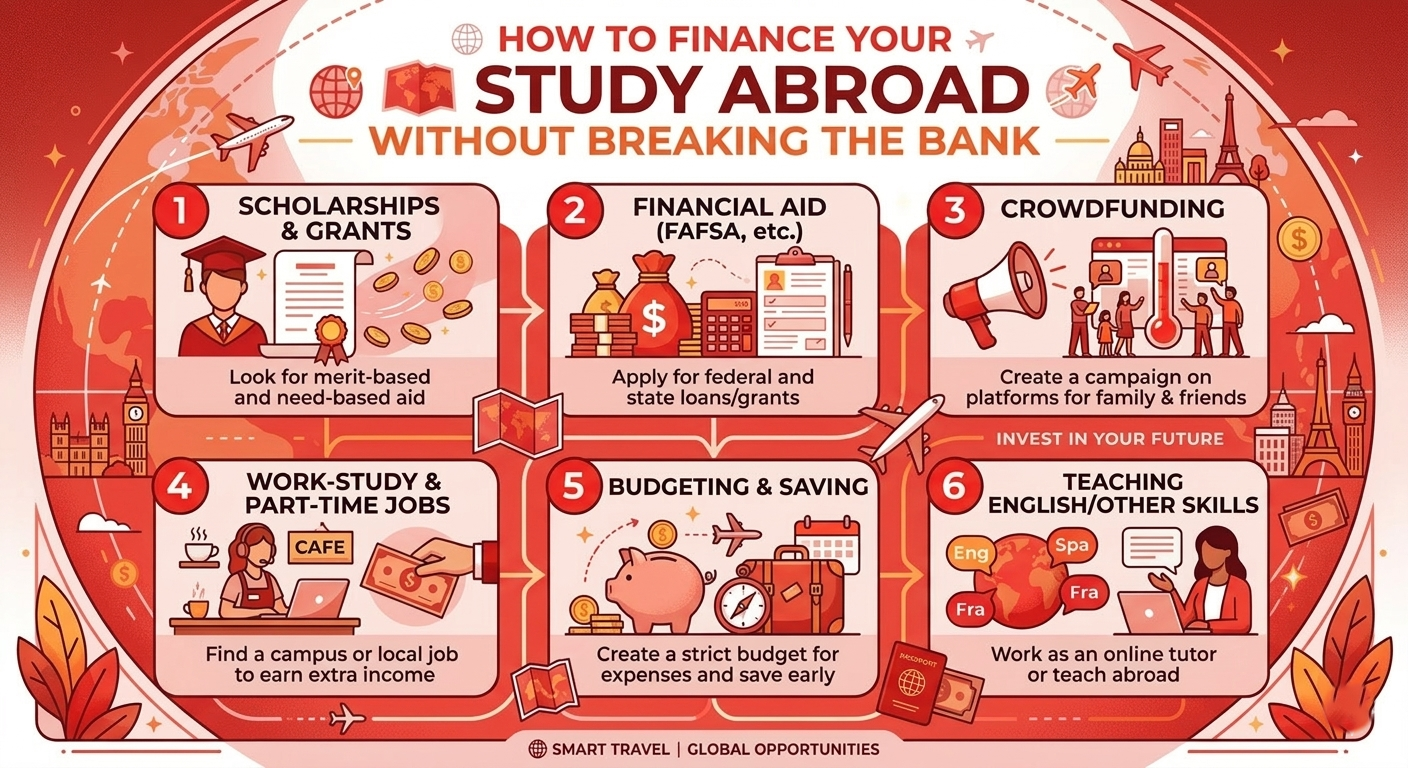
Studying abroad can be a life-changing experience, but the cost often feels daunting. Tuition, accommodation, travel, and living expenses can add up quickly, making many students wonder how they will afford this dream. The good news is that with careful planning, smart financial strategies, and support from services like Cardiff Study Consultants, studying abroad doesn’t have to drain your savings.
In this guide, we’ll explore education loans, part-time work opportunities, scholarships, and cost-saving strategies to help you finance your international education without compromising your quality of life.
1. Explore Education Loans
Education loans are a popular way to cover tuition and living expenses abroad. Banks and financial institutions in Pakistan, as well as some international lenders, offer student loans with flexible repayment plans.
Tips for using education loans effectively:
- Compare interest rates and terms – Look for loans with lower interest rates and deferred repayment options.
- Understand repayment schedules – Some loans allow you to start repayment after graduation, which can ease your immediate financial burden.
- Consider government-backed schemes – Some countries or local governments provide favorable loan schemes for international education.
Example: Many Pakistani banks offer international education loans up to 100% of tuition, covering airfare and living costs with repayment periods of 5–10 years. Choosing the right loan can make studying abroad financially feasible without relying entirely on personal savings.
2. Apply for Scholarships and Grants
Scholarships are essentially free money — they don’t need to be repaid — making them a critical part of financing your study abroad. Many universities, governments, and private organizations offer scholarships based on merit, financial need, or specific fields of study.
How to maximize scholarship opportunities:
- Start early: Many scholarships have early deadlines. Planning 6–12 months in advance increases your chances.
- Tailor your application: Highlight achievements, leadership experience, and goals in your SOP or essays.
- Check country-specific programs: For example, the UK, Canada, and Australia have numerous scholarships for international students, sometimes covering tuition, living expenses, or both.
Pro Tip: Cardiff Study Consultants provides guidance on finding scholarships that match your profile, helping you save thousands in tuition fees.
3. Consider Part-Time Work Opportunities
Working part-time while studying abroad is a common strategy to supplement finances. Most countries allow international students to work a limited number of hours per week during academic sessions and full-time during vacations.
Key tips for part-time work:
- Know your visa restrictions: Some countries limit work hours to 20 per week during study sessions.
- Seek on-campus jobs: Universities often provide flexible roles in libraries, labs, or administrative offices.
- Freelance or online work: For students with digital skills, freelancing can be a flexible way to earn extra income.
Example: A student in Canada may work up to 20 hours per week, earning around CAD 15–20 per hour — enough to cover local transport, food, or part of their accommodation.
4. Adopt Cost-Saving Strategies
Even with loans, scholarships, and part-time work, managing everyday expenses is crucial. Implementing smart cost-saving strategies can stretch your budget significantly.
Practical strategies include:
- Budgeting: Track your income and expenses monthly. Allocate funds for tuition, rent, groceries, transport, and emergencies.
- Affordable housing: Consider shared apartments or on-campus dormitories instead of private rentals.
- Cook at home: Preparing meals reduces reliance on expensive takeout or dining out.
- Use public transport: Student passes often provide discounts on buses, trains, or metro systems.
- Buy second-hand textbooks: Online marketplaces or university book sales can save hundreds per semester.
- Student discounts: Many services, software, and entertainment options offer reduced rates for students.
Pro Tip: Setting a monthly spending limit and sticking to it helps avoid overspending while maintaining a comfortable lifestyle abroad.
5. Plan Your Finances in Advance
Preparation is key. Before leaving, make sure you:
- Calculate total costs: Include tuition, accommodation, living expenses, travel, insurance, and emergency funds.
- Open a local bank account abroad: This reduces currency conversion fees and makes transactions easier.
- Set up an emergency fund: Even a small buffer can cover unexpected expenses like medical bills or sudden travel changes.
- Track exchange rates: Transferring money at favorable rates can save significant amounts over time.
Tip: Financial planning ensures you can focus on studies rather than stress about money.
6. Seek Professional Guidance
Navigating the financial aspects of studying abroad can be complex. This is where Cardiff Study Consultants can make a real difference. Our experts help:
- Identify suitable scholarships and grants.
- Recommend reliable education loan options.
- Advise on part-time work and budgeting tips.
- Plan cost-effective study destinations based on your profile.
With professional guidance, you can maximize funding opportunities and minimize financial stress, giving you peace of mind before and during your studies abroad.
Conclusion
Financing your study abroad journey doesn’t have to be overwhelming. By combining education loans, scholarships, part-time work, and smart budgeting, you can manage your expenses effectively without compromising your dream of international education.
Remember: Planning, research, and professional guidance are your best allies. With the right strategies, studying abroad can be affordable, rewarding, and life-changing.
At Cardiff Study Consultants, we provide comprehensive support to help students study abroad confidently and cost-effectively. Your dream destination is within reach — with the right financial planning, you can make it a reality.